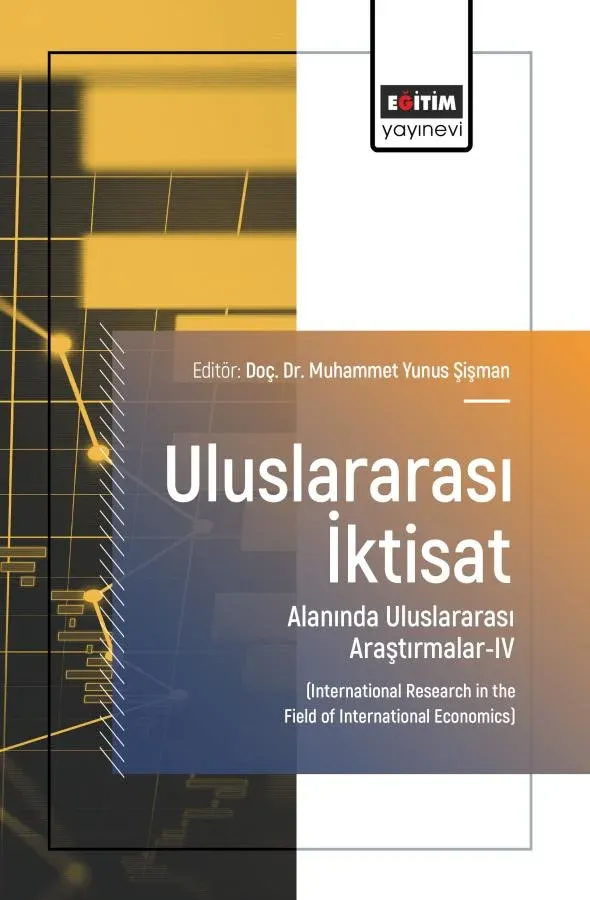
Uluslararası İktisat Alanında Uluslararası Araştırmalar-IVInternational Research in the Field of International Economics

The first chapter dives into the new energy order taking shape around us. As the world pivots from oil and gas to solar panels and wind turbines, we're discovering that "green" doesn't mean "simple." The minerals needed for batteries and renewable infrastructure are becoming as strategically important as oil once was. Who controls these resources, and how they're distributed, will shape geopolitics for decades to come?
Our second chapter tells a more troubling story—one about how the global food system has evolved from the hopeful days of the Green Revolution into something far more concentrated and, frankly, worrying. A few massive corporations now dominate everything from seeds to supermarket shelves. For the world's smallholder farmers—the people who still produce much of what we eat—this concentration creates an impossible squeeze. This chapter explores what that means for food security and rural communities everywhere.
The third chapter brings us to one of the most contentious new developments in international trade: the EU's Carbon Border Adjustment Mechanism. Call it what you will—a climate tool, a trade barrier, or something in between—it represents a fundamental shift in how environmental goals get folded into economic policy. For Türkiye, with its deep trade ties to Europe, understanding and responding to this mechanism isn't optional.
In our final chapter, we step back to ask bigger questions about trade policy itself. The debates we're having today about trade go far beyond the traditional arguments about tariffs and quotas. We're grappling with how to handle digital commerce, environmental standards, labor rights, and national security—all at once. This chapter provides the context and frameworks needed to make sense of where trade policy has been and where it might be headed.
- Açıklama
The first chapter dives into the new energy order taking shape around us. As the world pivots from oil and gas to solar panels and wind turbines, we're discovering that "green" doesn't mean "simple." The minerals needed for batteries and renewable infrastructure are becoming as strategically important as oil once was. Who controls these resources, and how they're distributed, will shape geopolitics for decades to come?
Our second chapter tells a more troubling story—one about how the global food system has evolved from the hopeful days of the Green Revolution into something far more concentrated and, frankly, worrying. A few massive corporations now dominate everything from seeds to supermarket shelves. For the world's smallholder farmers—the people who still produce much of what we eat—this concentration creates an impossible squeeze. This chapter explores what that means for food security and rural communities everywhere.
The third chapter brings us to one of the most contentious new developments in international trade: the EU's Carbon Border Adjustment Mechanism. Call it what you will—a climate tool, a trade barrier, or something in between—it represents a fundamental shift in how environmental goals get folded into economic policy. For Türkiye, with its deep trade ties to Europe, understanding and responding to this mechanism isn't optional.
In our final chapter, we step back to ask bigger questions about trade policy itself. The debates we're having today about trade go far beyond the traditional arguments about tariffs and quotas. We're grappling with how to handle digital commerce, environmental standards, labor rights, and national security—all at once. This chapter provides the context and frameworks needed to make sense of where trade policy has been and where it might be headed.
Stok Kodu:9786253857110Boyut:160x240Sayfa Sayısı:87Basım Yeri:AnkaraBaskı:1Basım Tarihi:Aralık 2025Kapak Türü:Amerikan ciltKağıt Türü:1. hamur - Tek renkDili:Türkçe, İngilizce
- Yorumlar
- Yorum yazBu kitabı henüz kimse eleştirmemiş.
-
Yeni